Theatro Municipal de SP
Industry
Culture & Arts
Client
Theatro Municipal de Sao Paulo
Service
Product Design
Date
2025
As UX/UI Lead, I was responsible for the full digital restructuring of theatromunicipal.org.br — the official website of one of South America's most celebrated cultural institutions. The project encompassed interface redesign, information architecture overhaul, accessibility improvements, and a complete WordPress rebuild from the ground up, including infrastructure migration. I led a team of four — two UX/UI designers and two developers — while managing stakeholder relationships and consulting on design decisions throughout the project lifecycle.
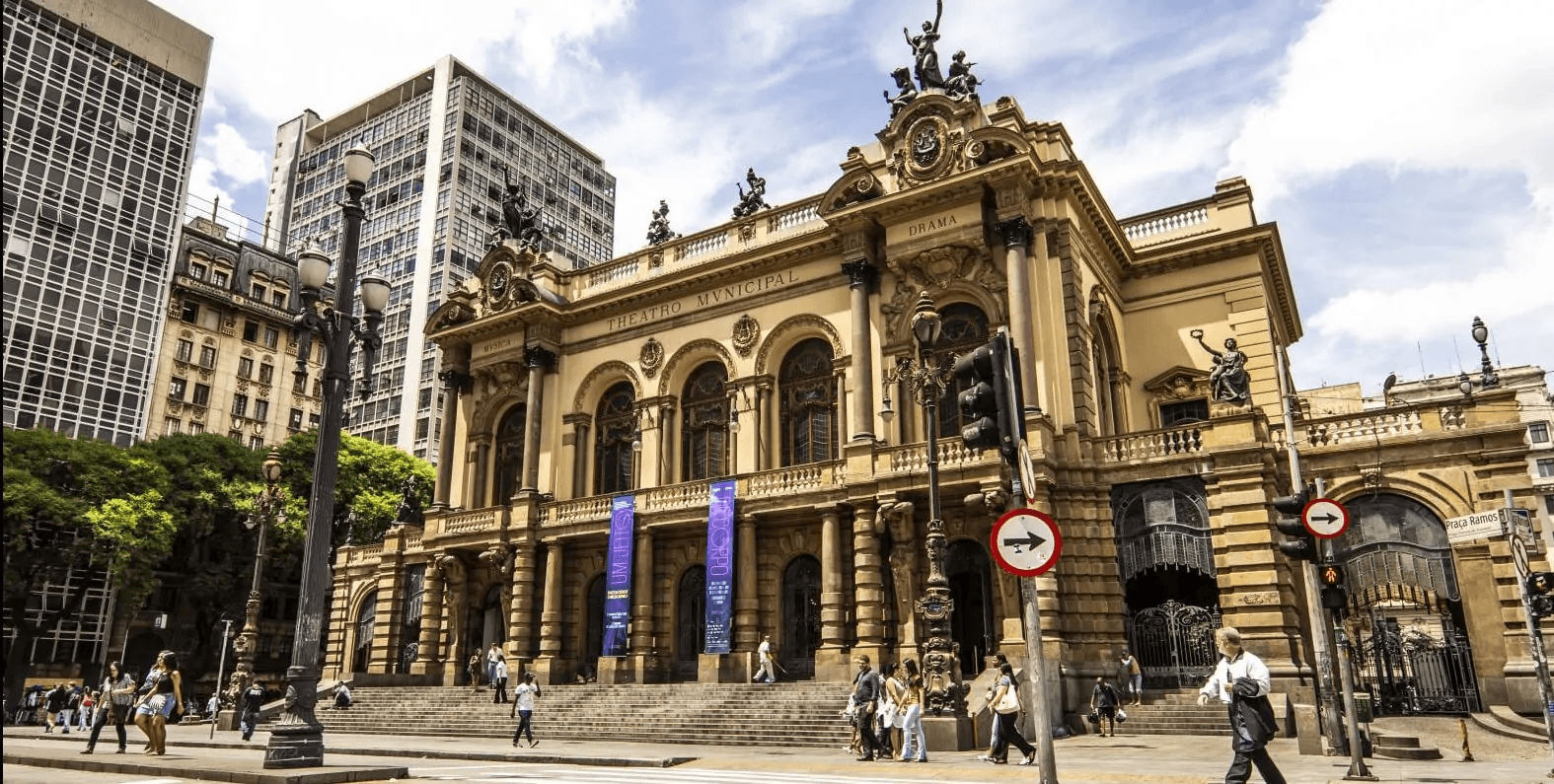
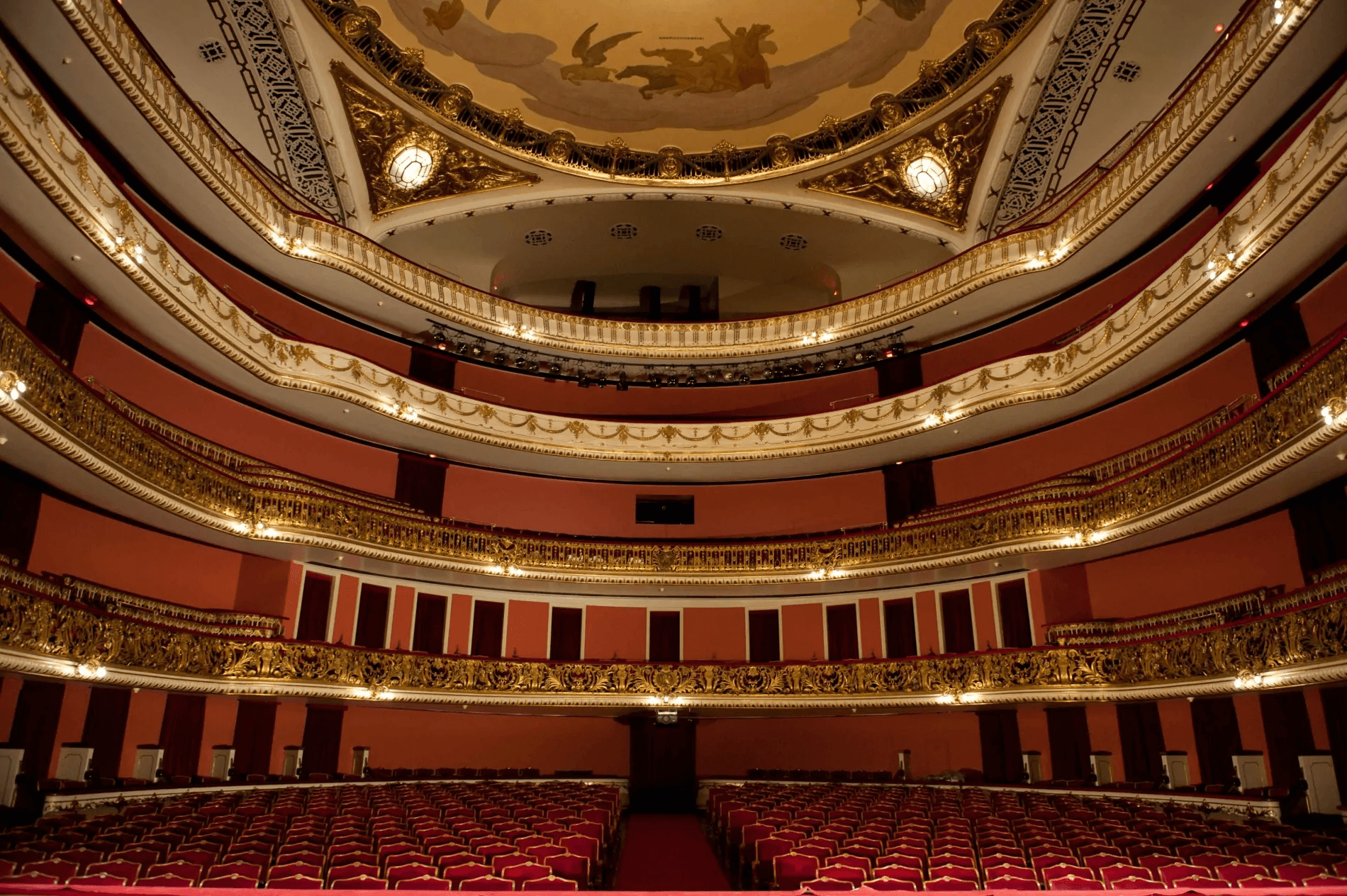
Founded in 1903 and completed in 1911, the Theatro Municipal de São Paulo is more than a cultural venue — it is a civic monument. Modelled after the Palais Garnier in Paris, it hosted the Week of Modern Art in 1922, which reshaped Brazilian culture entirely, and today is home to the São Paulo Municipal Symphony Orchestra, the City Ballet, and the Lyric Choir. Its 1,500-seat auditorium has welcomed Maria Callas, Enrico Caruso, Arturo Toscanini, and Mikhail Baryshnikov. With 405K Instagram followers and a digital audience that spans the globe, the Theatro needed a website worthy of its institution — and the one it had was nowhere close.
THE PROBLEM
A WordPress installation so deeply compromised — by years of accumulated technical debt, ungoverned plugins, and structural mismanagement — that surface-level fixes were impossible. The entire application had to be rebuilt from scratch, including infrastructure migration, while the website remained live and serving one of São Paulo's most prominent cultural institutions.
THE SOLUTION
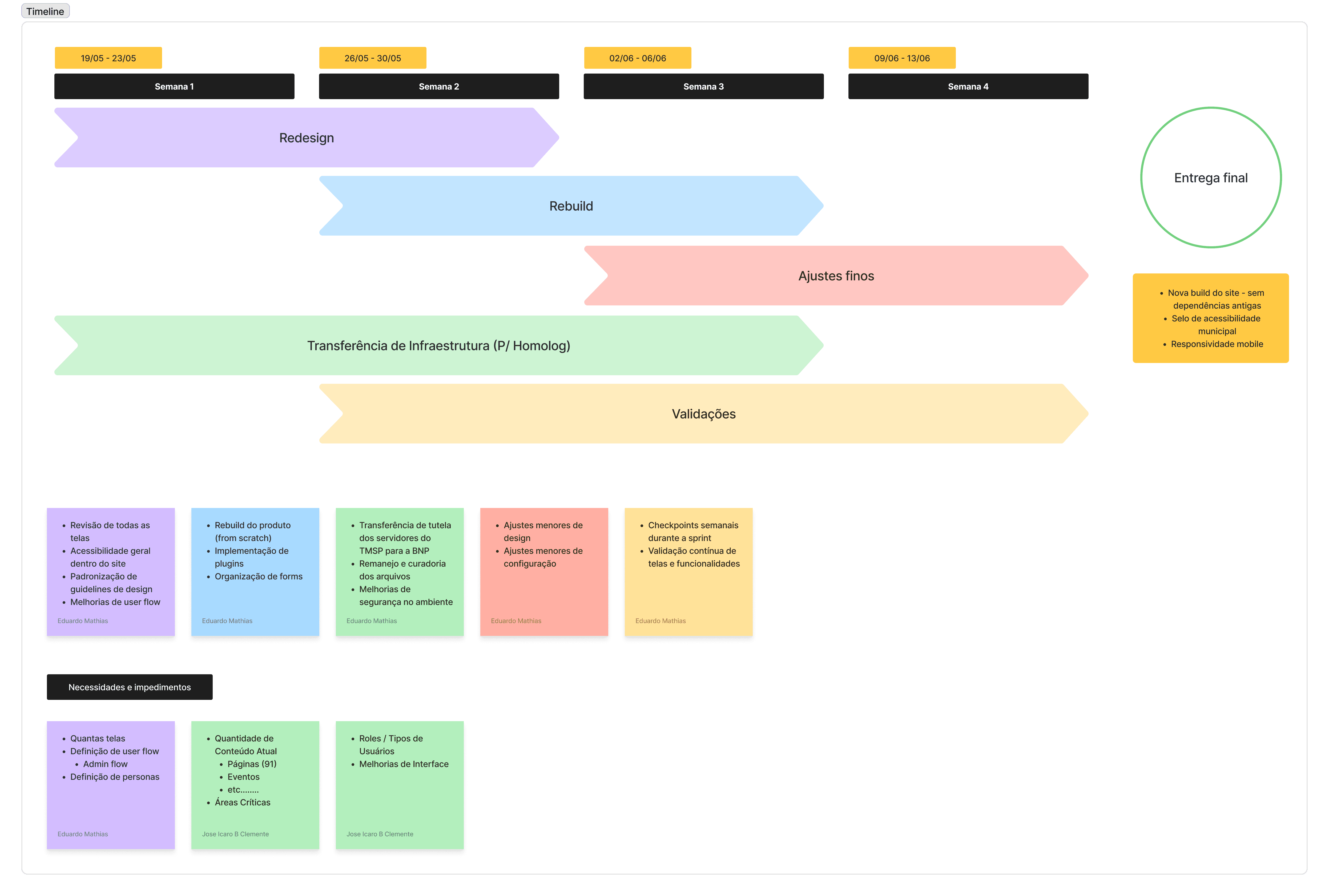
A full rebuild: new WordPress environment, clean infrastructure, restructured information architecture, and a redesigned interface — delivered by a coordinated team of designers and developers under unified UX leadership, with continuous stakeholder alignment throughout.
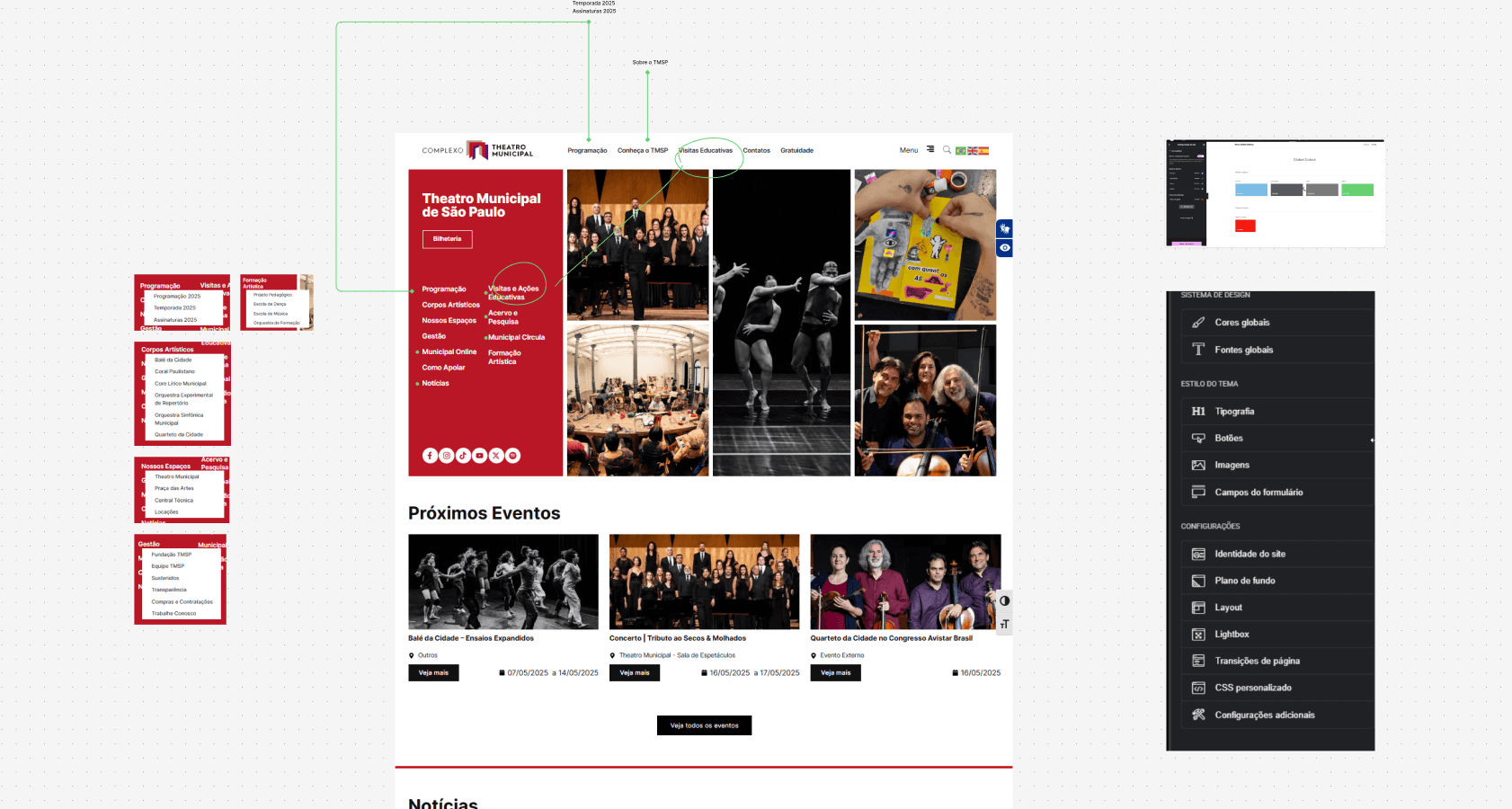
Early review of the old hero section
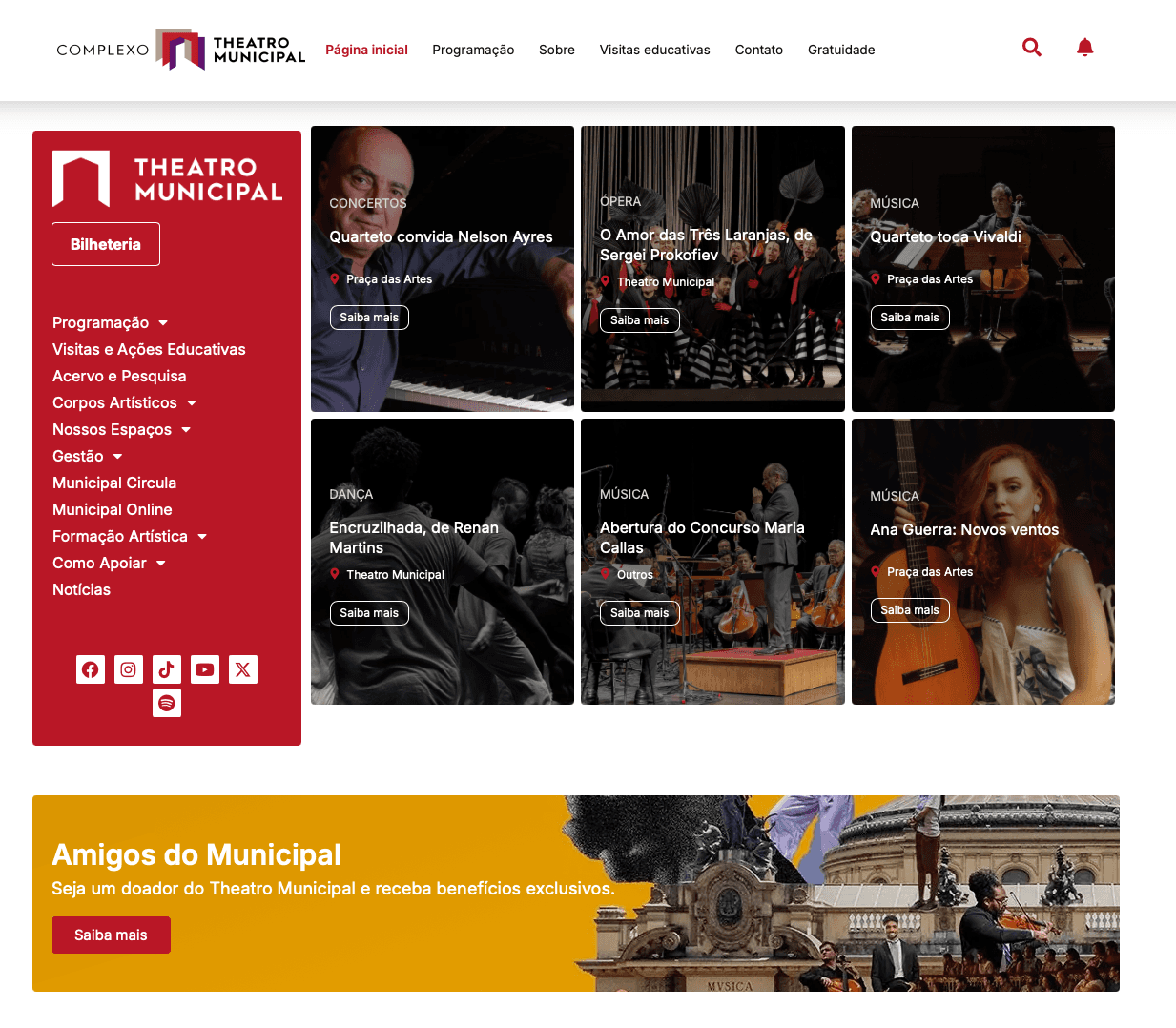
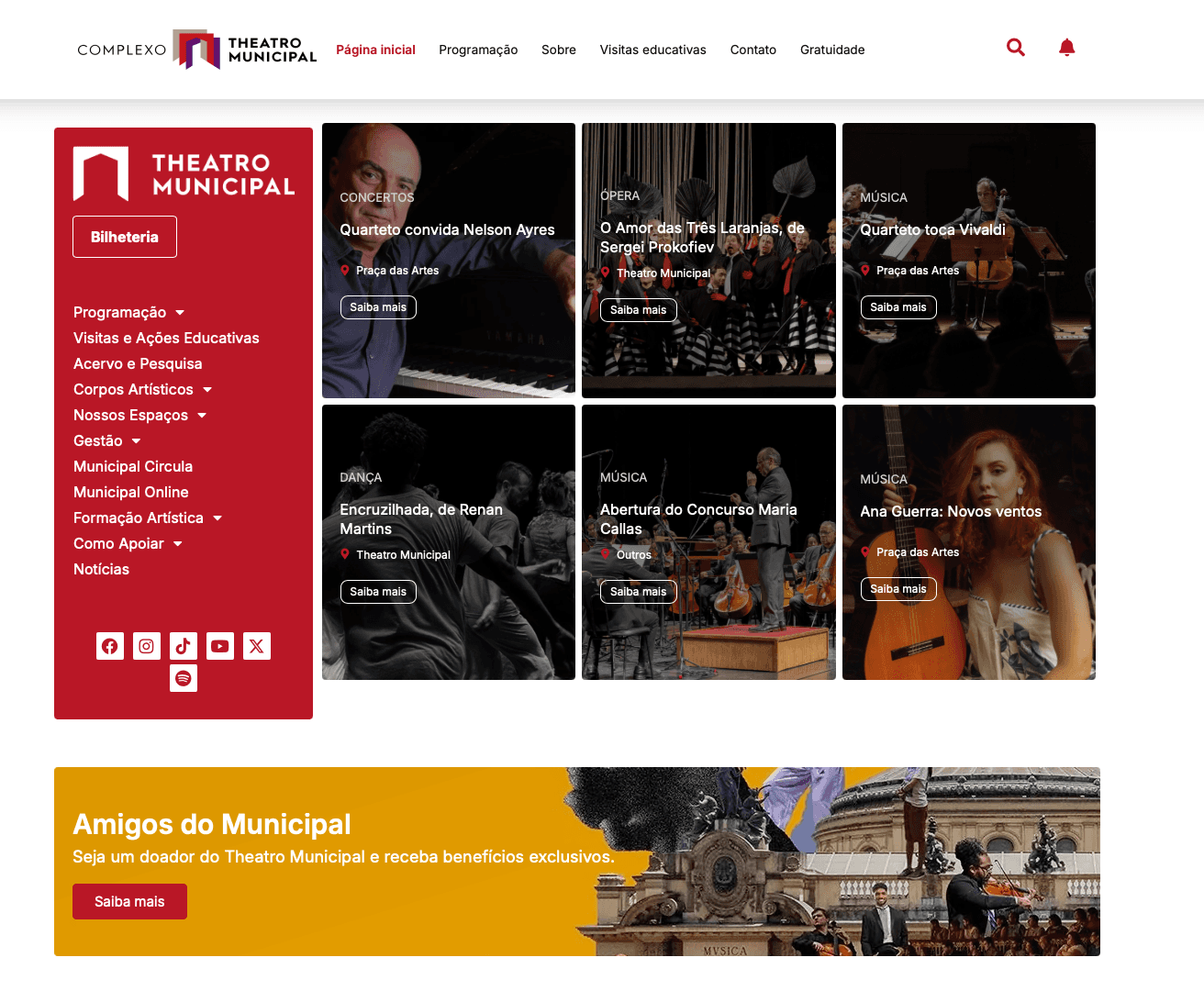
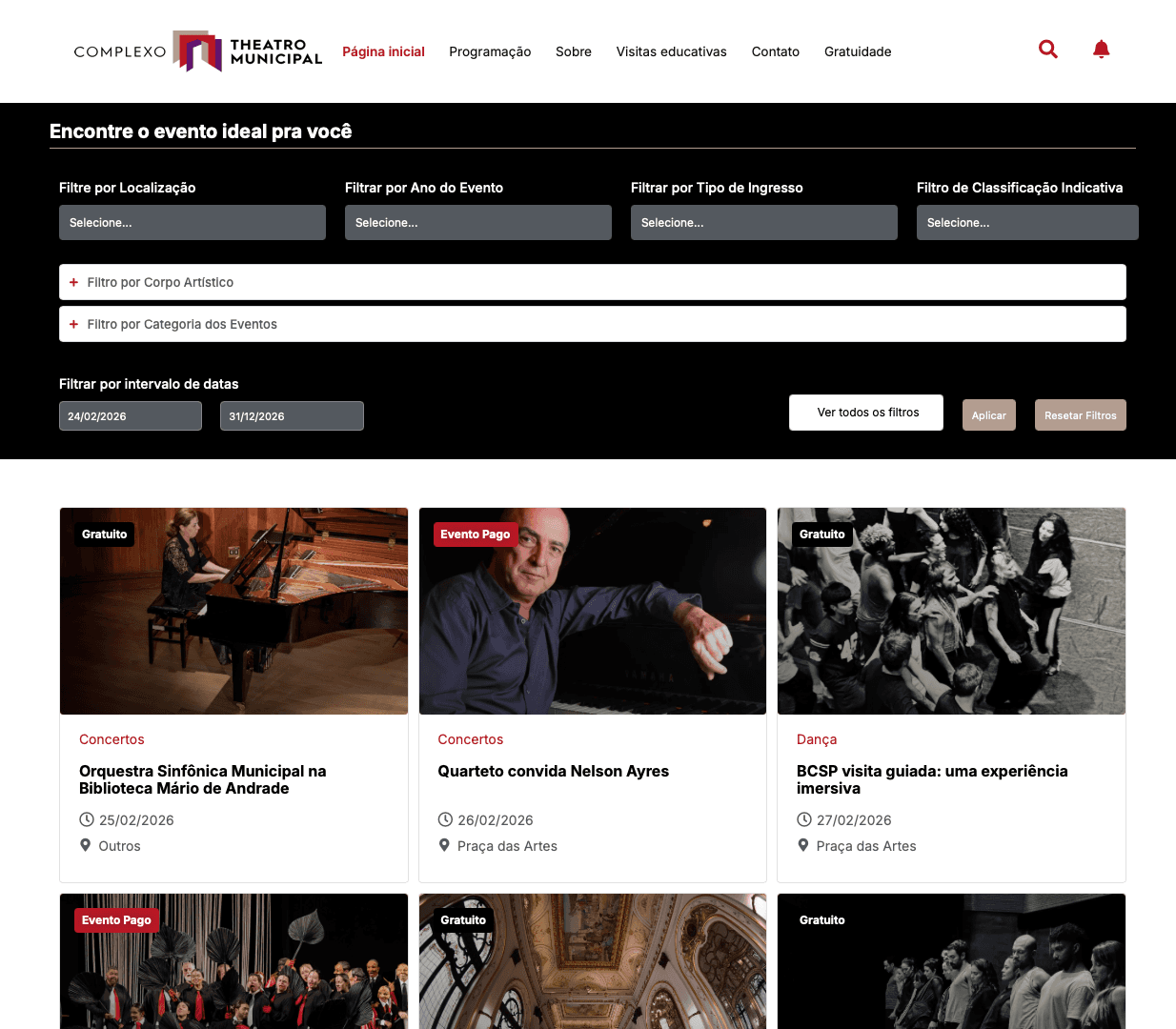
Actual landing page as of 2026
The scale of what needed to happen only became clear once we were inside the project. The existing WordPress installation had accumulated years of conflicting plugins, ungoverned customizations, and structural decisions that made any targeted fix impossible — pulling one thread risked unravelling the whole. The decision to rebuild entirely, rather than patch, was the defining strategic call of the project. It meant a longer road, but it was the only one that led somewhere sustainable.
Leading a team of four through that process — two designers and two developers, across a full UX overhaul and a parallel infrastructure migration — required as much coordination as craft. I ran the design direction while managing stakeholder expectations, consulting on flows and components, reviewing developer implementation, and ensuring that every decision made in a meeting translated faithfully into the product. The front-end changes were deliberately restrained: fixing critical UX errors, refining the visual hierarchy, and improving accessibility across the board without disrupting the institution's identity.
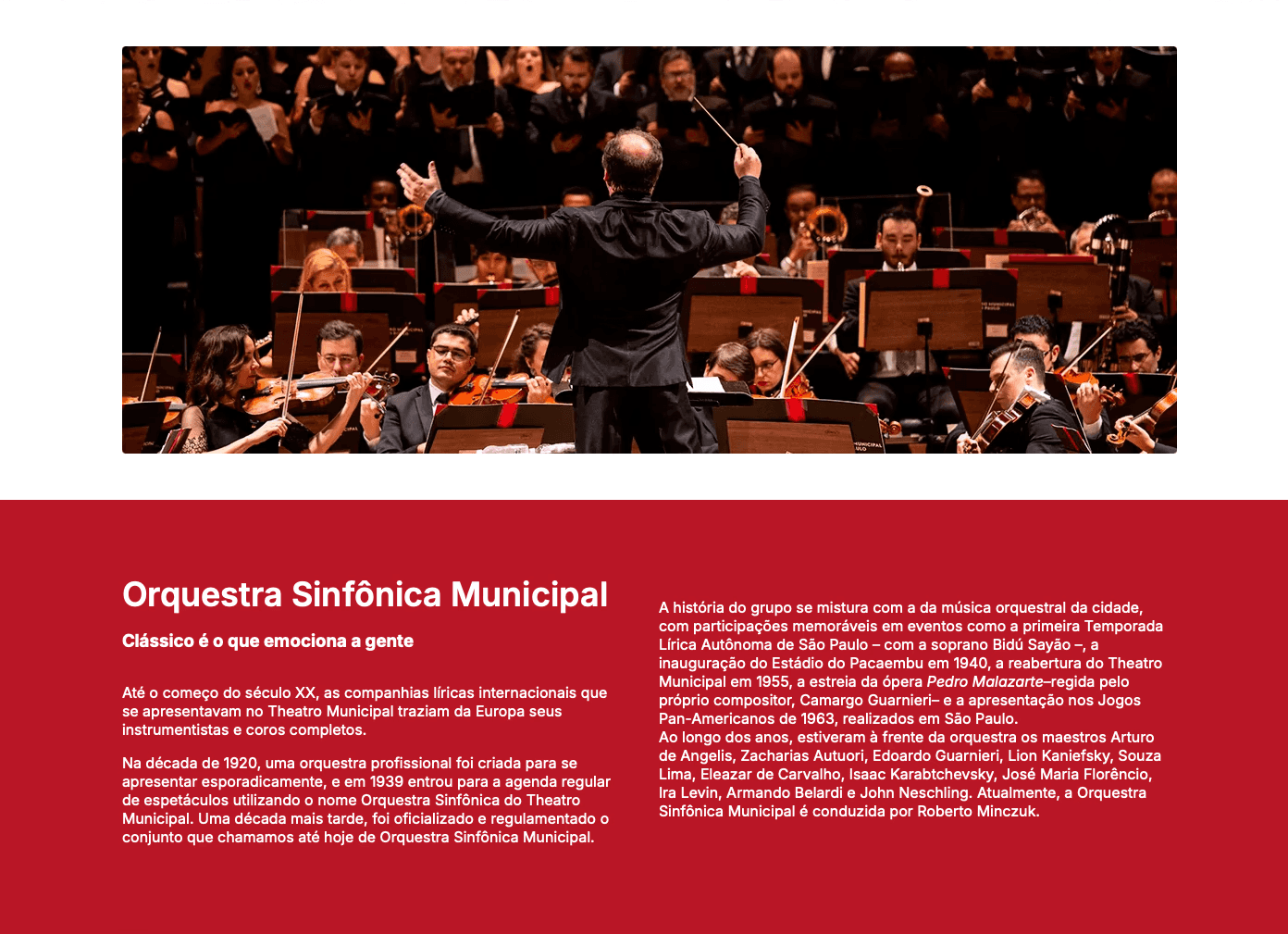
Accessibility was a thread that ran through every decision — from colour contrast and type hierarchy to keyboard navigation and screen reader compatibility. For an institution with a public mandate, serving audiences of all ages and abilities, this wasn't optional. It was the baseline. The rebuilt site reflects that commitment in ways the old one simply couldn't.
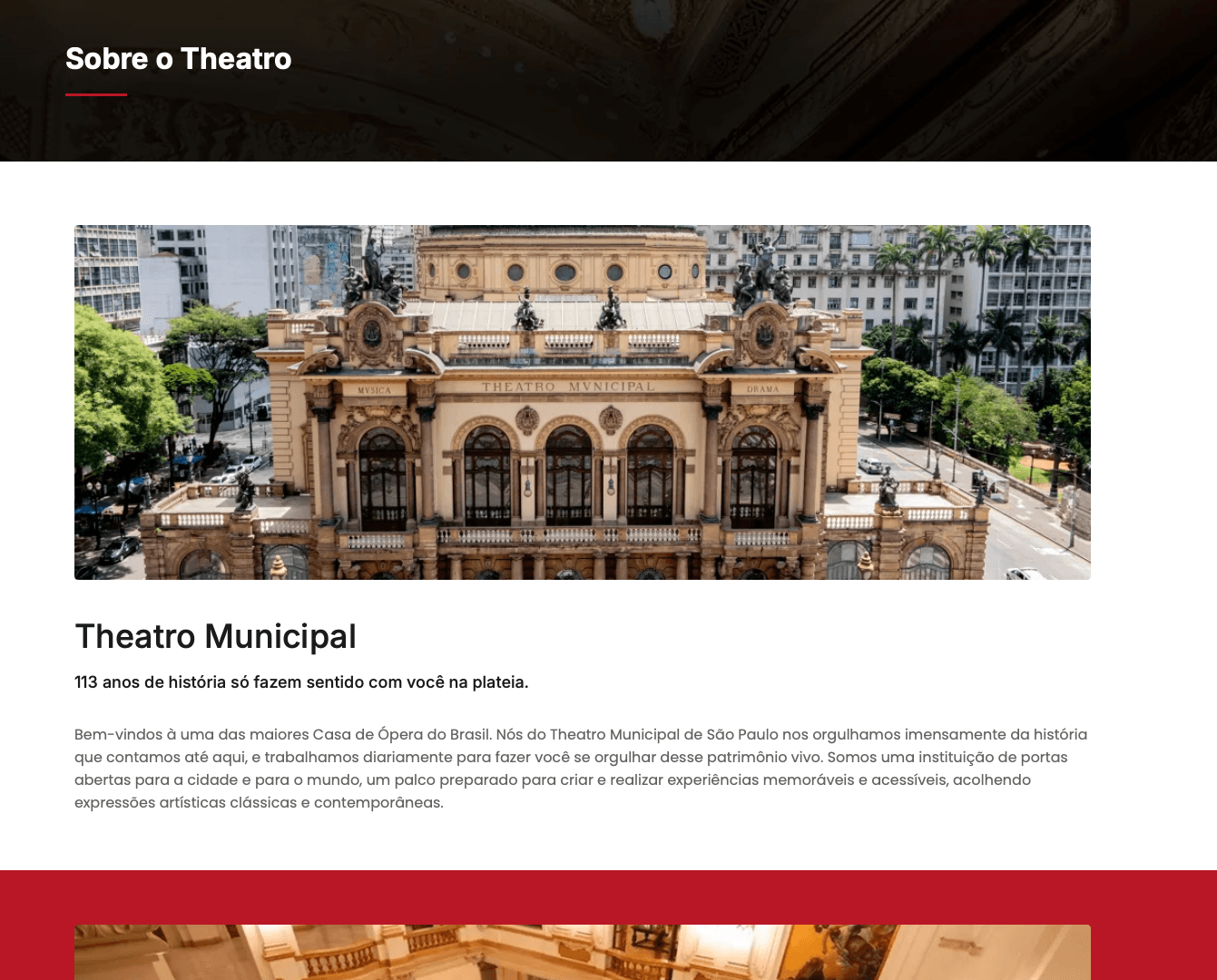
The Theatro Municipal de São Paulo is one of South America's most significant cultural institutions — and its digital presence now reflects that standing.
2025
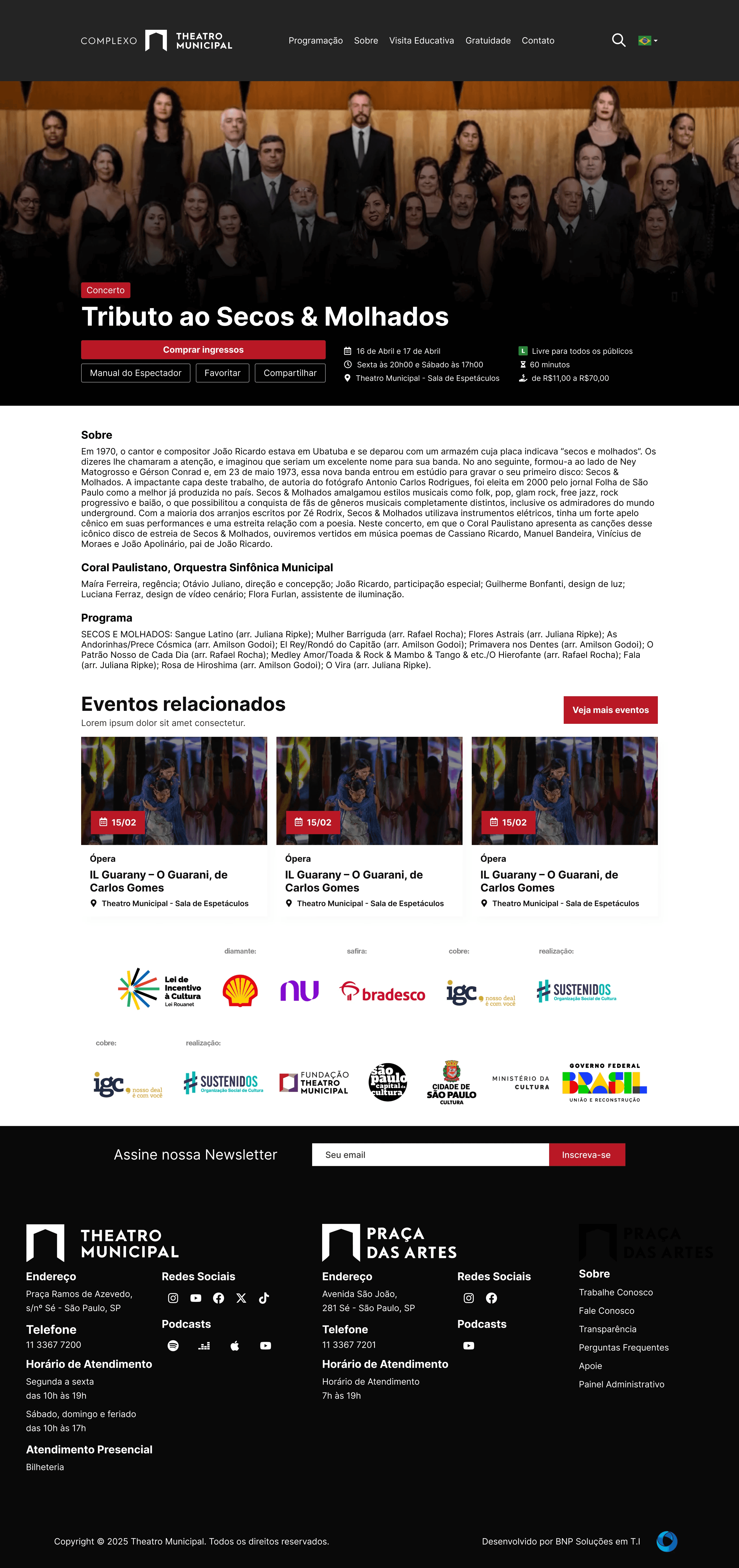
Some projects ask you to design something new. This one asked something harder: fix what exists, without breaking what still works, for an institution that cannot afford to go dark. The WordPress rebuild was a technical rescue operation; the UX work was a quiet act of respect for a 100-year-old institution and the audiences who rely on its website every day. Leading that team — through the complexity, the stakeholder pressure, and the constraints of working with a live, beloved public-facing platform — is the kind of experience that doesn't fit neatly into a case study. But it's exactly the kind that makes you a better designer.