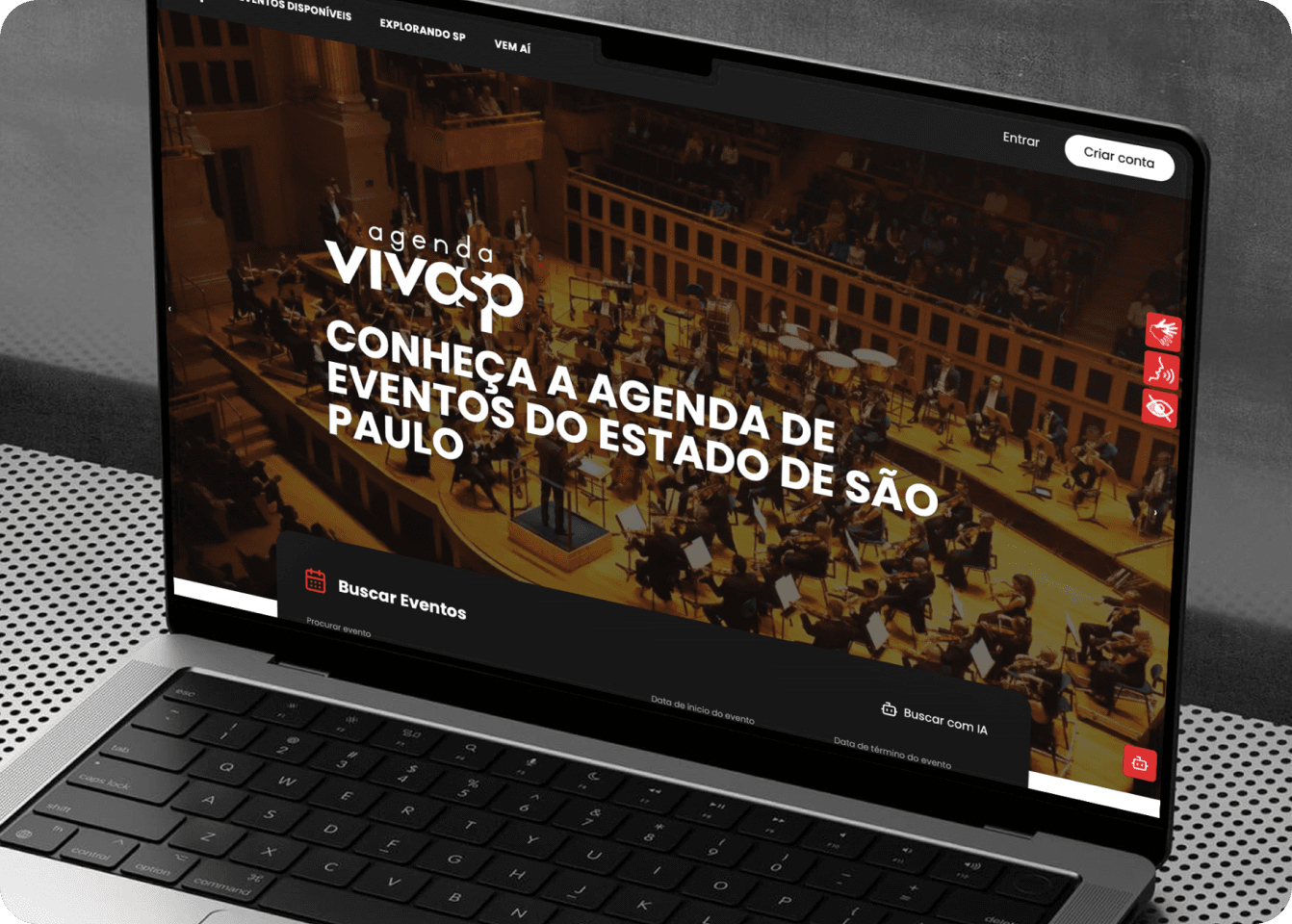
São Paulo Culture Portal
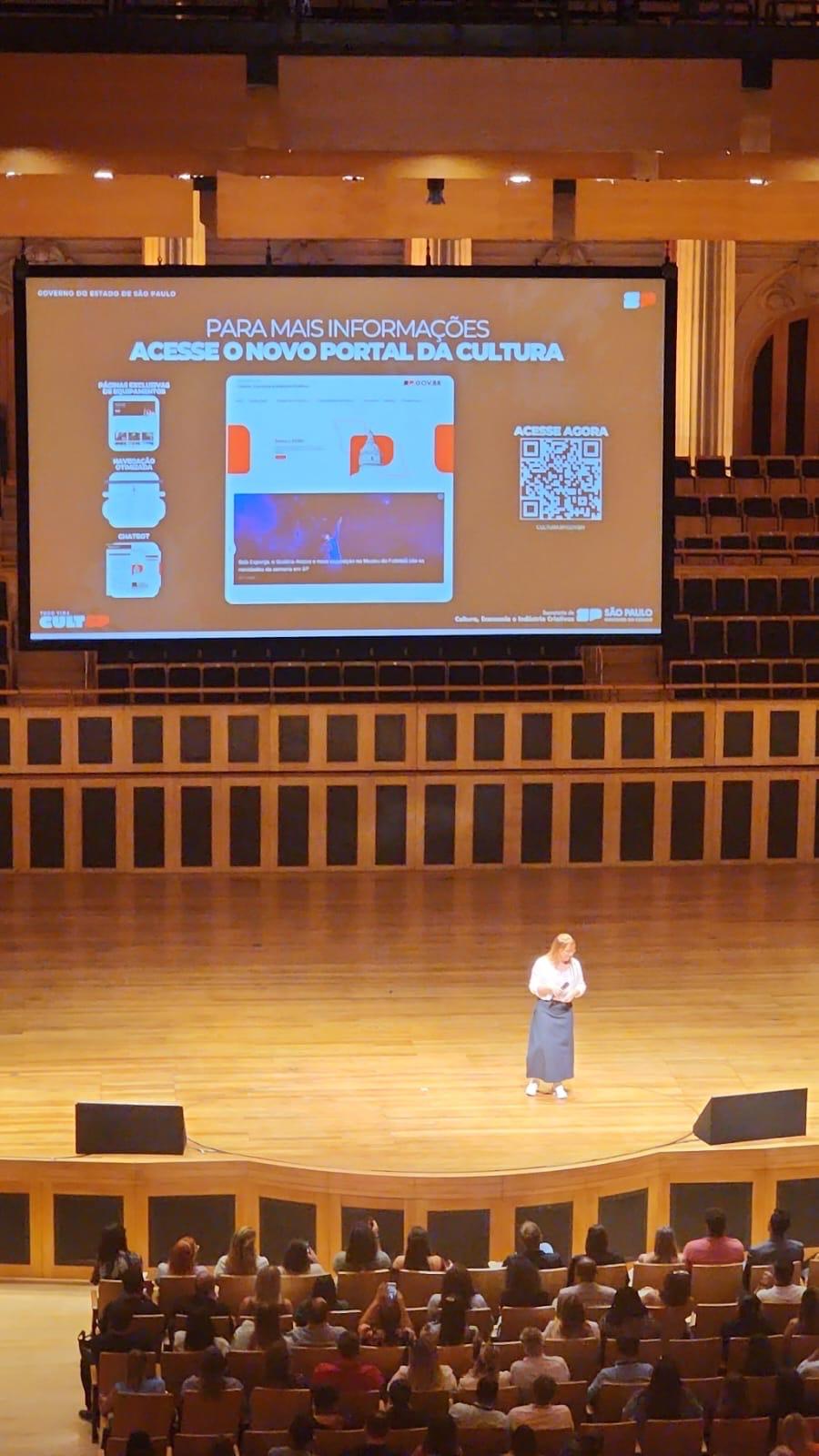
The Culture Portal of the State of São Paulo is the main digital gateway for cultural policy, public funding, heritage preservation, and transparency initiatives of the Secretariat of Culture, Economy and Creative Industries. As lead UX/UI designer, I was responsible for its complete redesign — from initial discovery through delivery inside a government-mandated CMS.
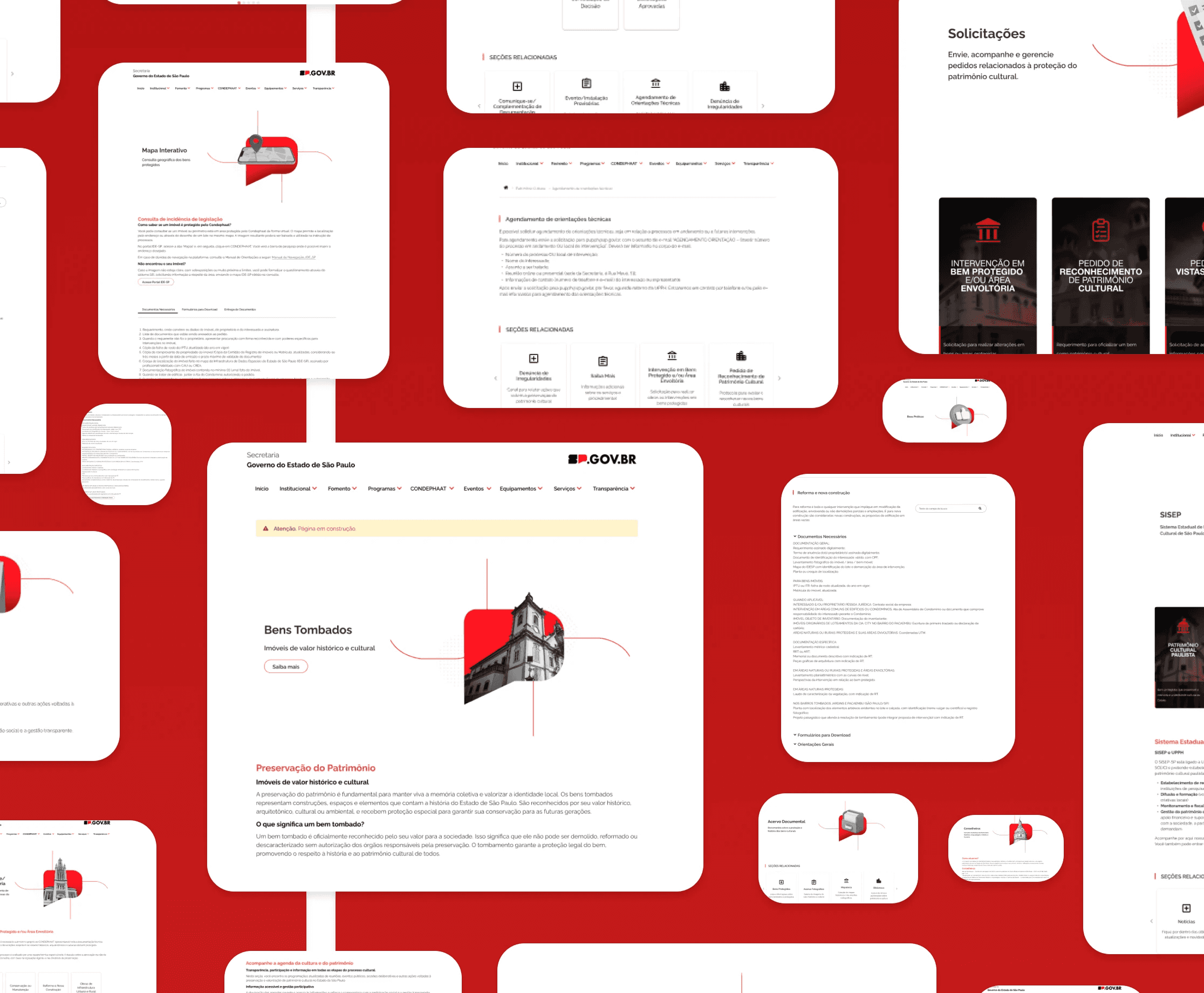
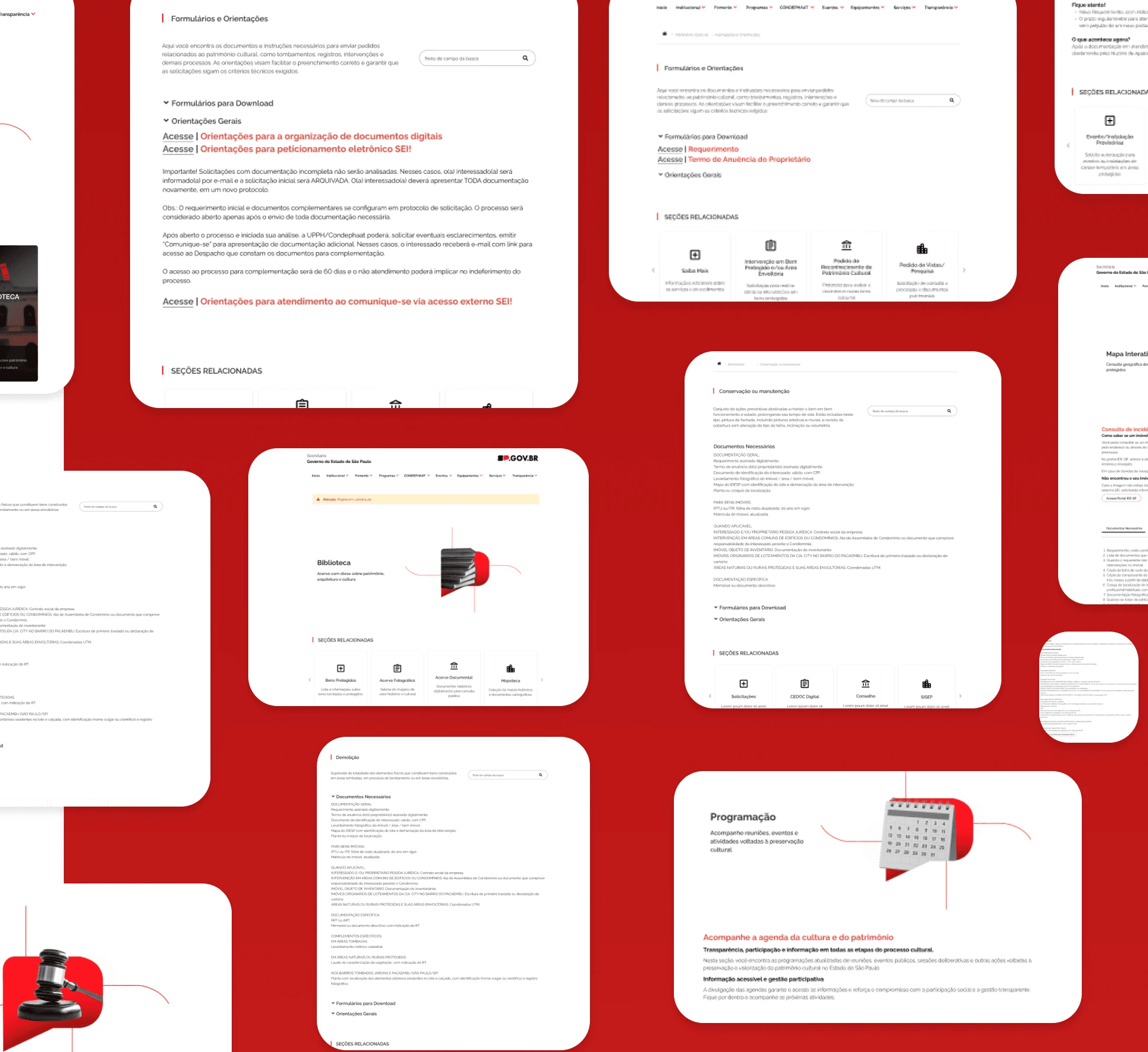
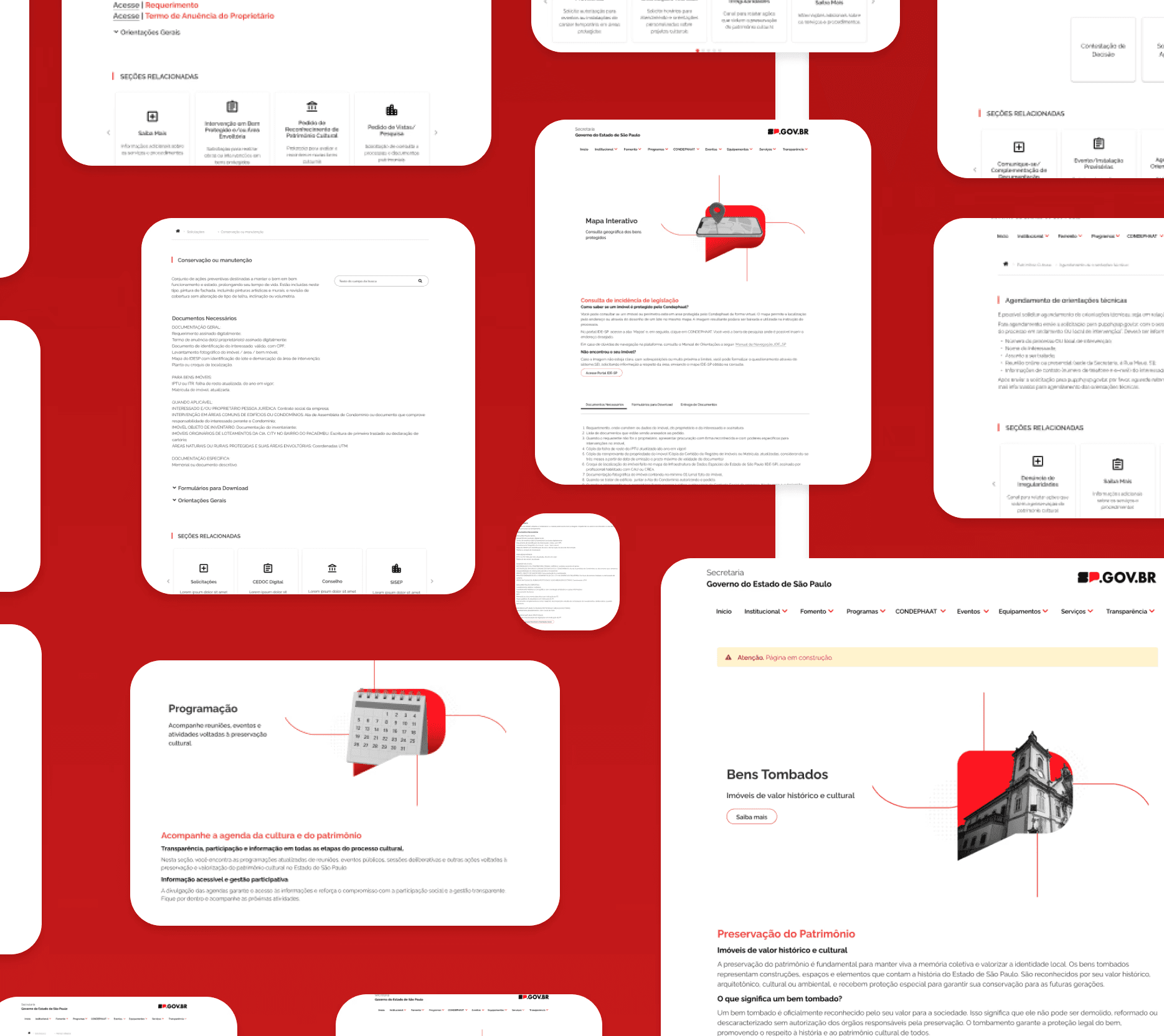
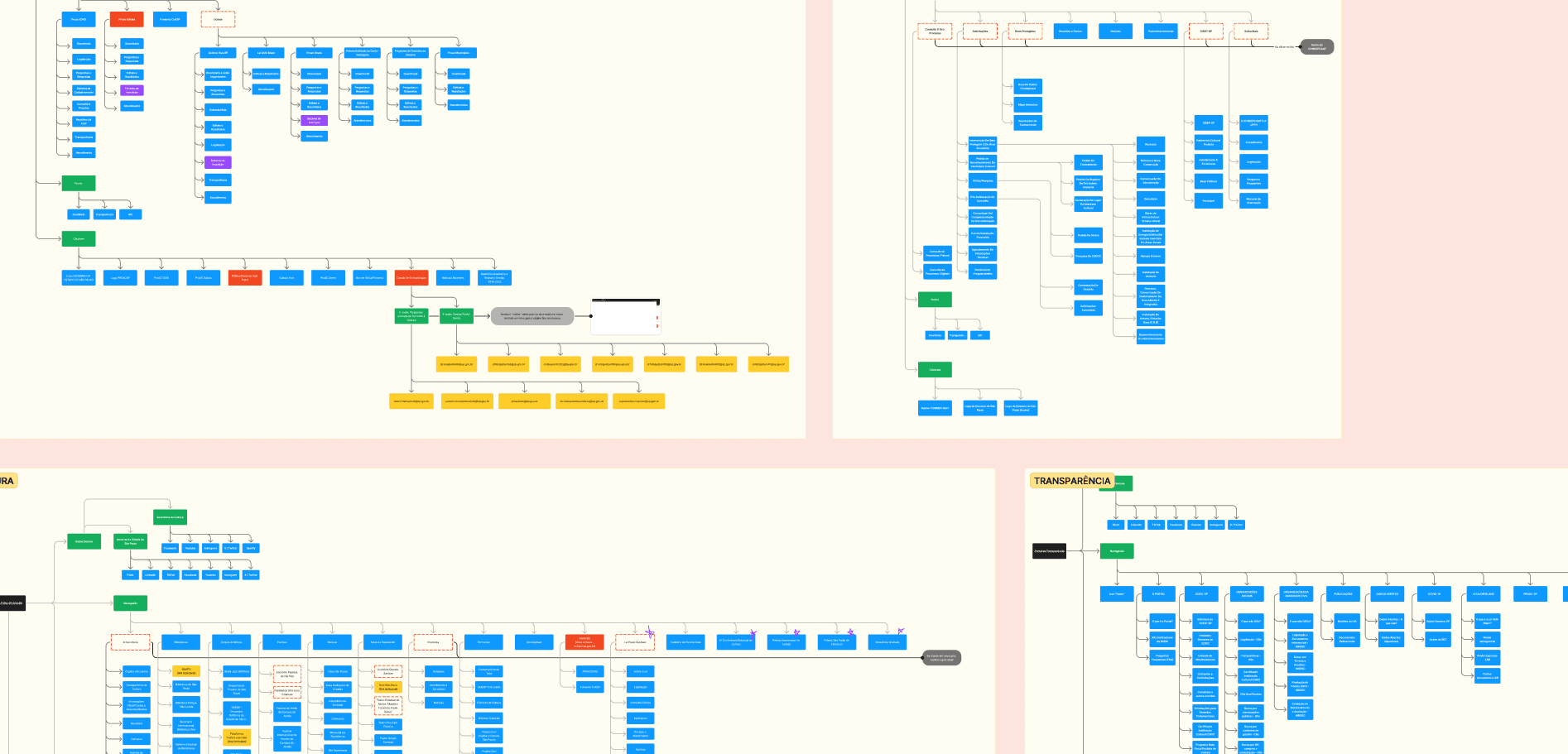
The portal spans four distinct government areas — cultural funding (Fomento), public transparency, heritage preservation (CONDEPHAAT), and general culture programming — each with its own audience, content logic, and regulatory requirements. Before any design decisions were made, I ran structured discovery sessions with key stakeholders from each area to map existing functionalities and surface real user pain points.
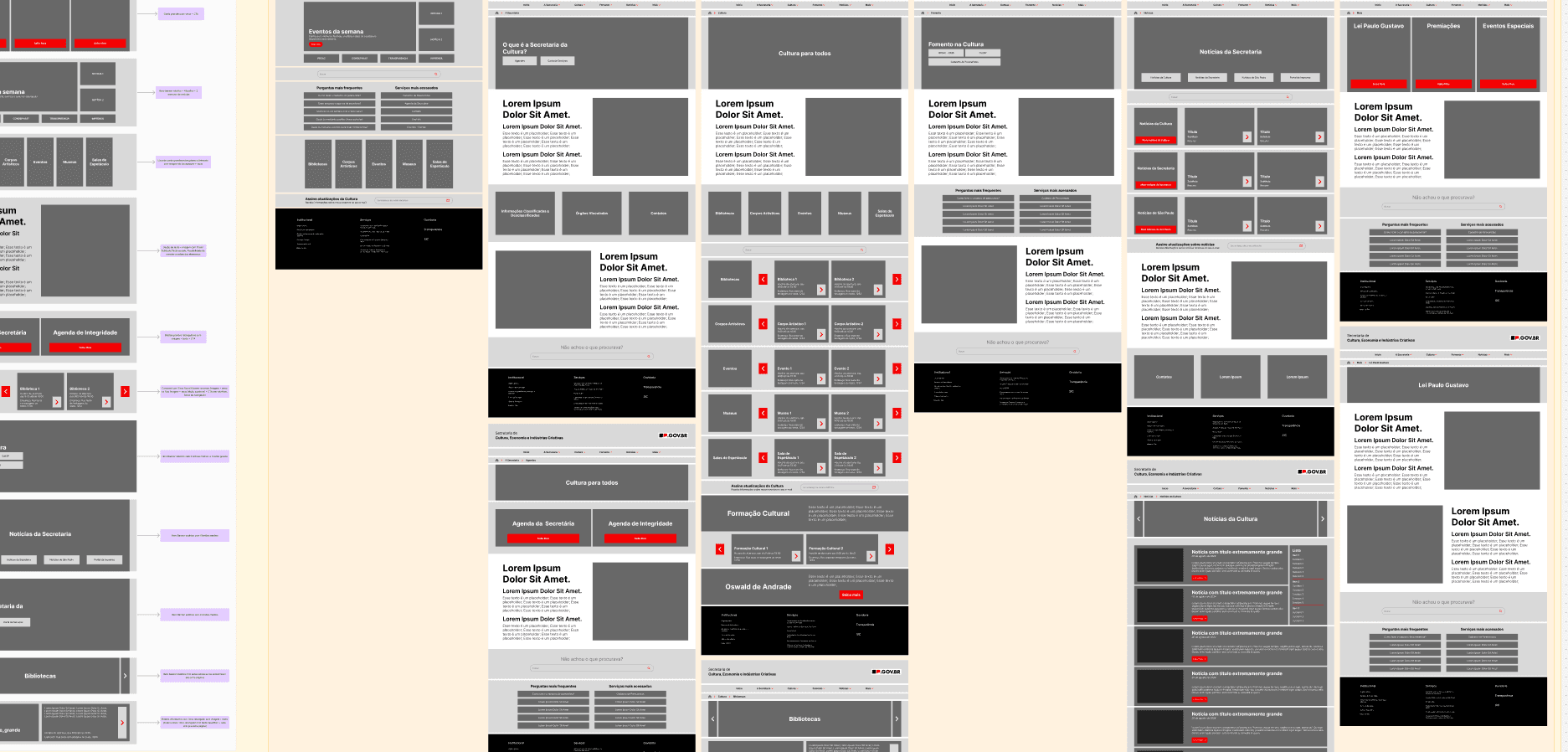
THE PROBLEM
The existing portal lacked a coherent experience for its diverse audience. Veteran users navigated complex bureaucratic flows with no clear structure, while new users struggled to find basic cultural information. Four departments shared a single platform with no unified design language or hierarchy.
THE SOLUTION
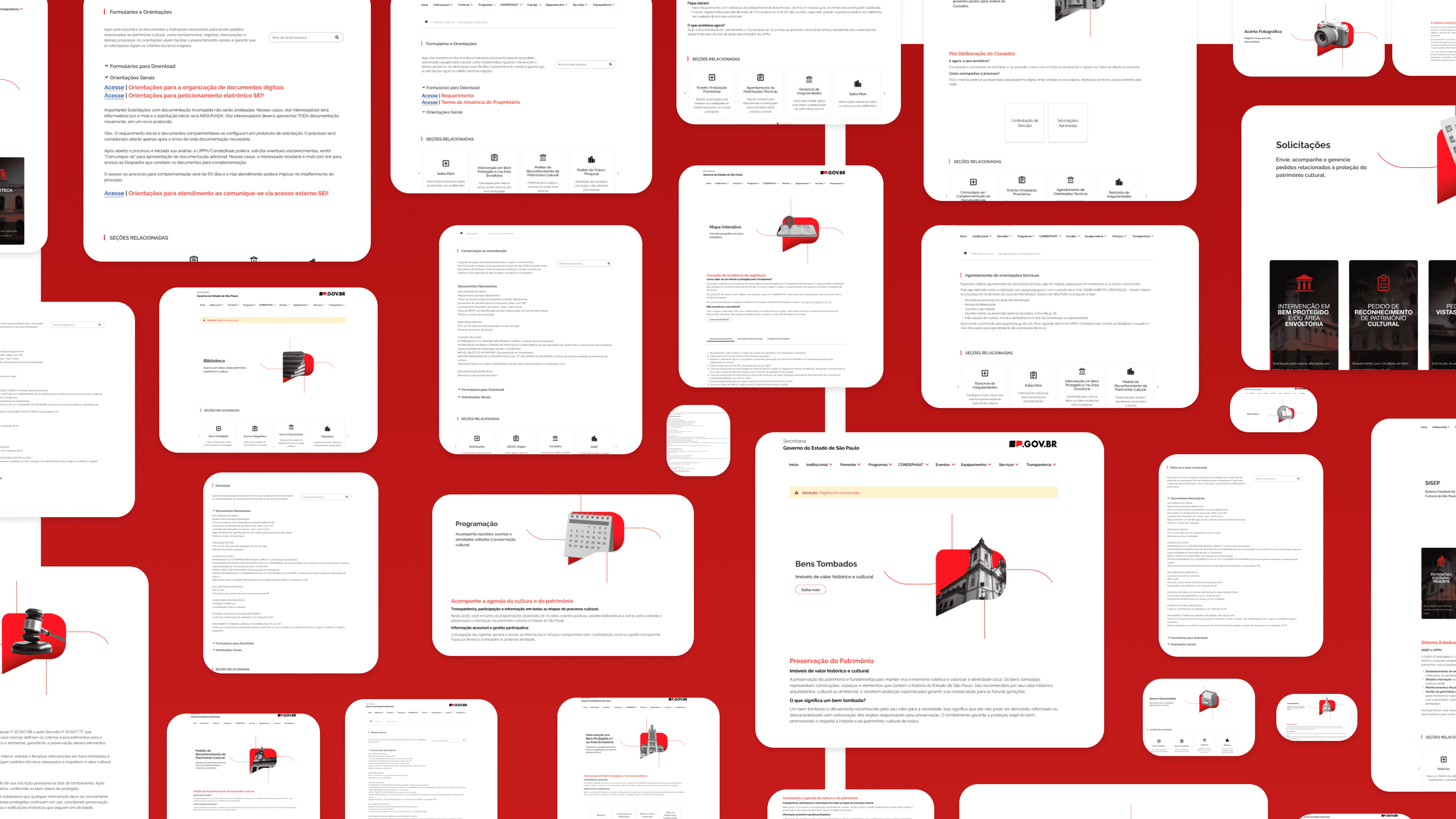
A redesigned portal built around a clear information architecture — organized by user intent rather than internal department structure — with a consistent visual language, accessible navigation, and content validated against every applicable regulation.
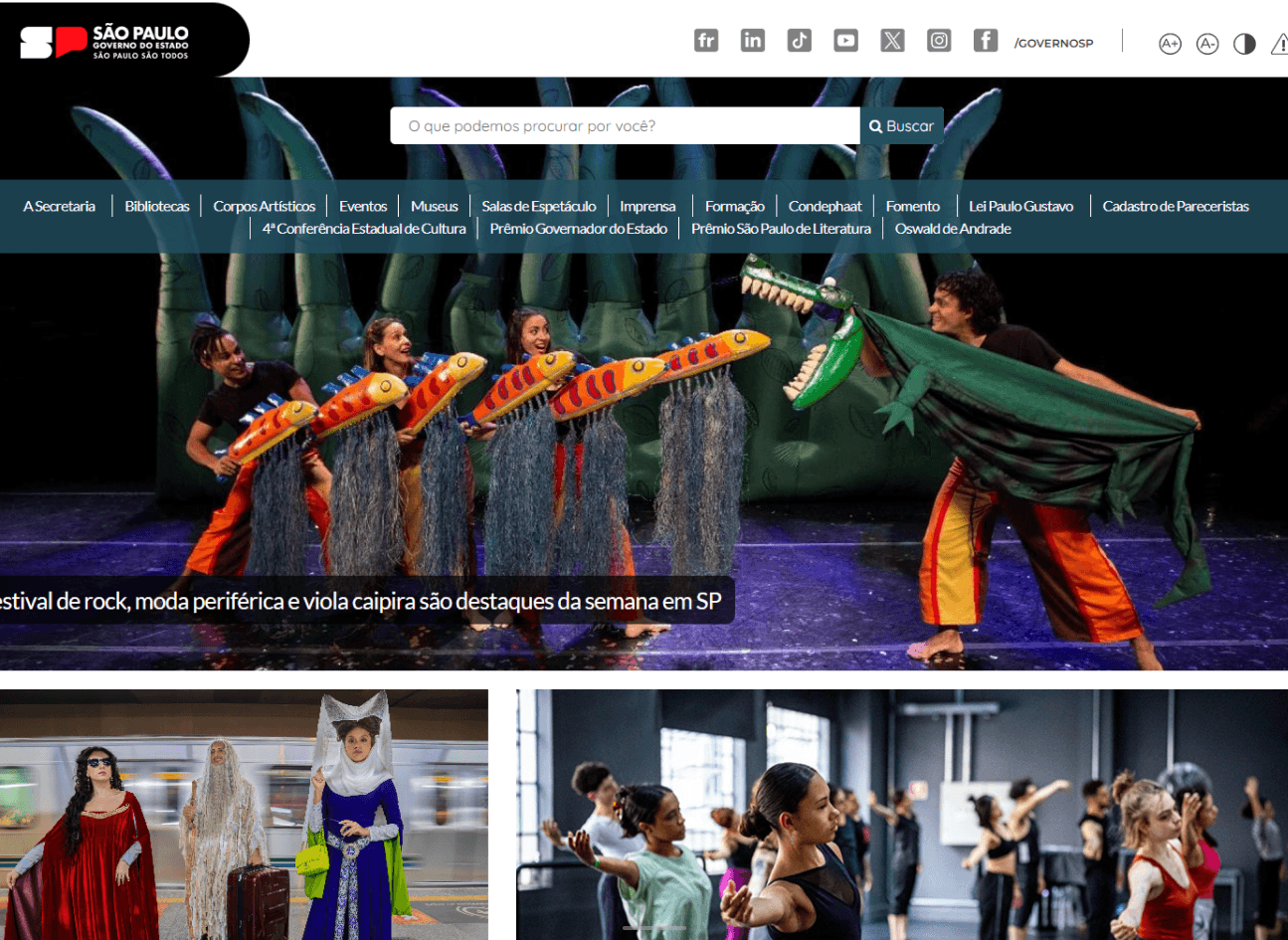
Old version
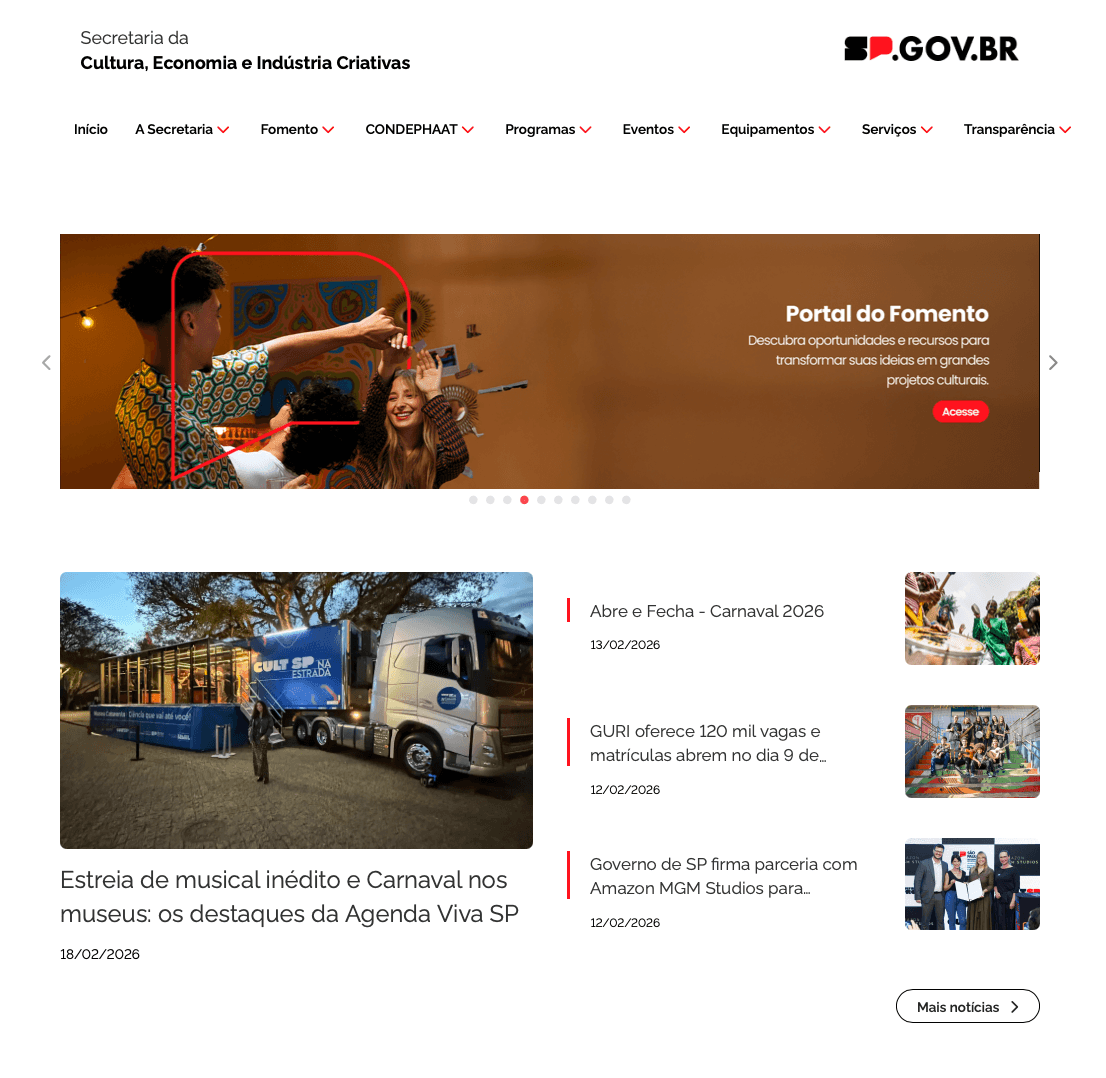
New version
Midway through the project, the government required us to move away from our Figma-to-dev workflow and build entirely inside HCL — their proprietary CMS. Rather than a setback, this became a design constraint to solve: I adapted the component structure and layout decisions to work within the system's boundaries, ensuring the user experience held up regardless of the platform limitations.
I led continuous feedback rounds with stakeholders from all four departments — ensuring every content decision aligned with legal requirements while keeping the user experience at the center. This meant facilitating difficult conversations between departments, translating policy language into clear UX decisions, and maintaining design momentum through multiple revision cycles.
Key design decisions focused on reducing cognitive load for users unfamiliar with government portal structures, while preserving the depth of content that experienced users rely on. The navigation was restructured around user goals — finding funding opportunities, consulting heritage records, accessing cultural programming — rather than internal department divisions
Data from Q2 2025
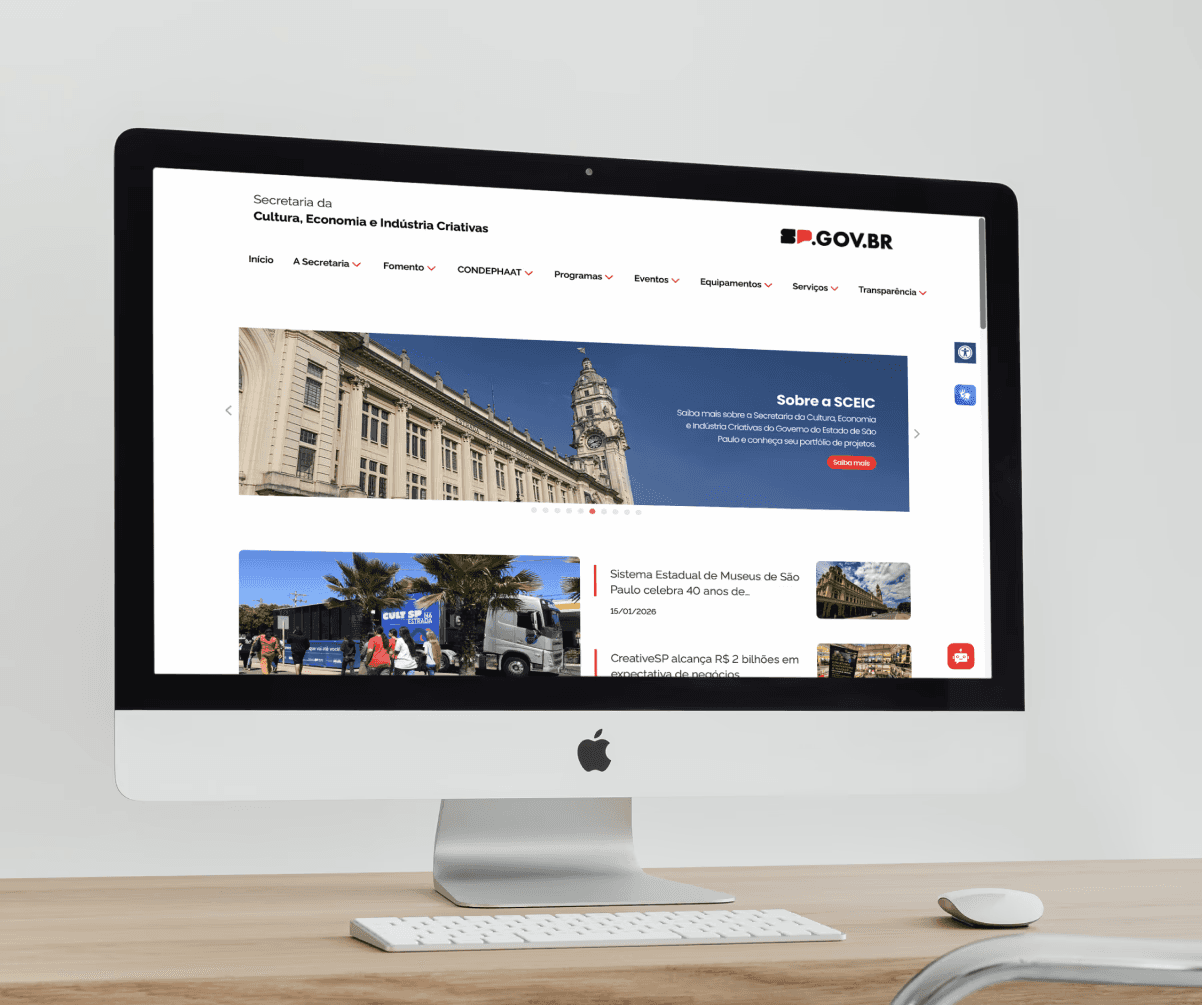
This project reinforced that government UX is as much about people and process as it is about pixels. Navigating four departments, a platform pivot, and layers of regulatory content required equal parts design craft and stakeholder empathy. The result is a portal that makes São Paulo's cultural ecosystem more legible — and more accessible — to everyone who interacts with it.